
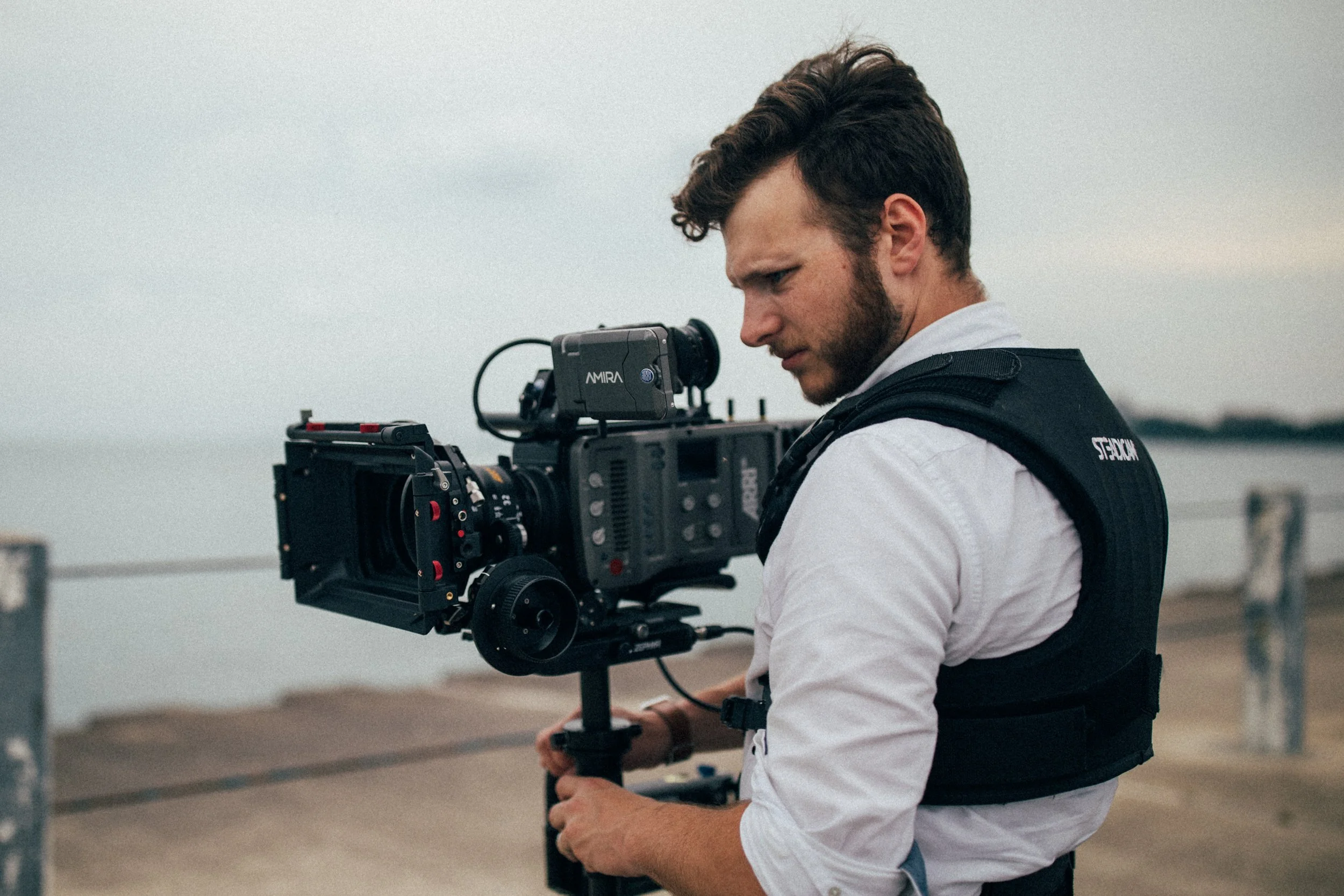
Shaping Catholic stories with clarity, craft, and contemplative care.
Bringing depth, beauty, and meaning to the final frame
Post production is where a story becomes itself. After filming wraps, the real work of shaping tone, rhythm, and emotion begins. My role in Catholic post production is to take raw footage - moments of grace, testimony, prayer, and mission - and craft them into films that speak clearly and beautifully.
I believe Catholic films deserve post work that is intentional, contemplative, and professionally refined. Editing, color, sound, pacing, and structure should reveal the truth of the story, not distract from it.

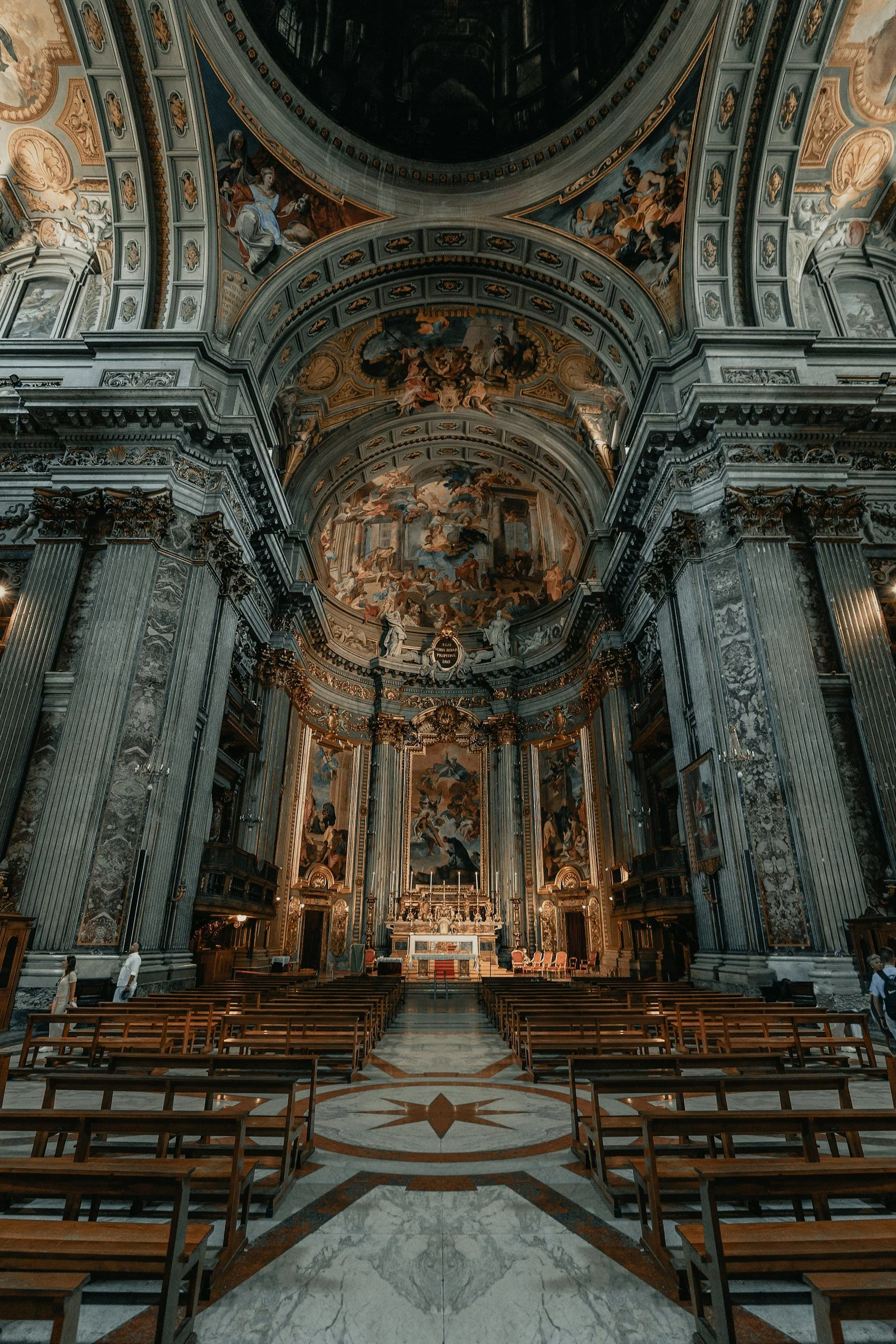
A Catholic filmmaker shaped by the edit
I began my career in the edit bay, learning the language of story long before I ever stepped onto a larger set. Those early years taught me that editing is not simply technical—it’s pastoral. Every cut shapes meaning. Every choice carries weight. My approach to Catholic post production is shaped by:
A narrative-driven mindset formed through hundreds of edits
A contemplative sense of pacing influenced by liturgy, prayer, and silence
Color grading that honors the sacred rather than stylizing it
Refined sound design that brings emotional and spiritual depth
Clear, intentional messaging rooted in Catholic storytelling
Good Catholic films feel patient, honest, and deeply human—and post production is where those qualities come to life.
What I bring to Catholic post work
1. Story-First Editing
Crafting a clear, emotionally resonant narrative - whether it’s a documentary sequence, a short reflection, a parish film, or a long-form piece.
2. Thoughtful Pacing and Rhythm
Understanding when a story needs silence, when it needs breath, and when it needs momentum. This is especially important in Catholic storytelling, where reverence and space matter.
3. Color Grading with Intent
Shaping tone and emotion through color while preserving natural beauty, sacred spaces, and the integrity of the image.
4. Sound Design and Audio Precision
Building subtle, immersive soundscapes that reinforce emotion without overpowering the story.
5. Final Story Architecture
Structuring acts, arcs, beats, and emotional flow so the film communicates with clarity and depth.
Why Catholic post production is unique
Catholic stories require a different kind of attention - one rooted in reverence, accuracy, and pastoral care. Editing a testimony from a priest, a religious sister, or a family isn’t the same as editing commercial content. It requires:
Understanding theological nuance
Preserving the dignity of the speaker
Knowing what to include - and what to leave unsaid
Respecting sacred imagery
Avoiding stylization that undermines meaning
Listening for the quiet moments where grace shows up
In Catholic media, the edit is not just assembly - it’s discernment.

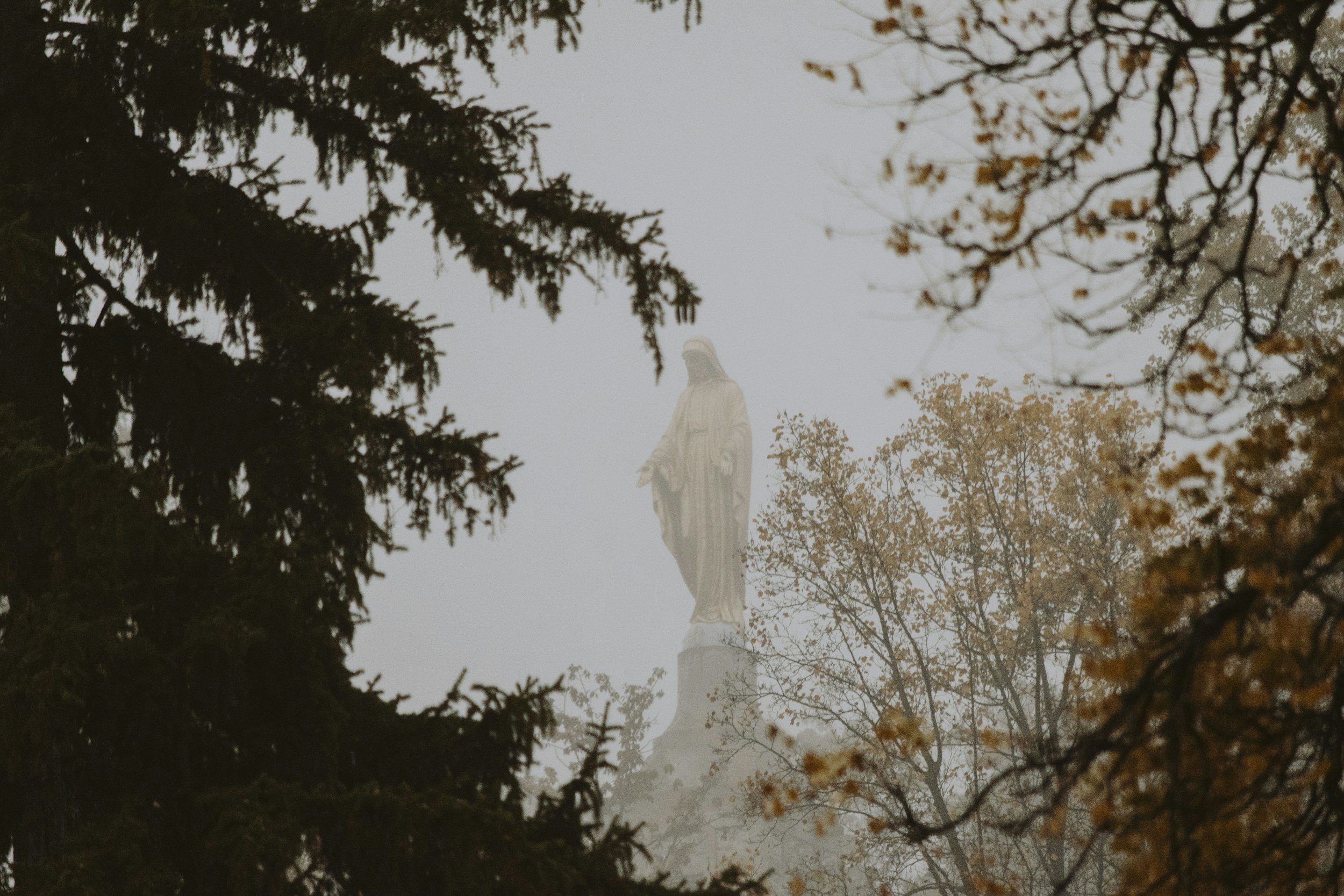
A decade of shaping Catholic stories in the edit
Over the years, my post-production work has included documentaries, interviews, narrative sequences, global travel films, mission pieces, parish stories, and reflective shorts. I’ve edited in tents, airports, mountain cabins, and studio bays—wherever the story needed to be shaped.
Each project is treated with the same commitment: reveal the truth of the moment, honor the person in front of the camera, and craft a film that feels beautiful, sincere, and faithful.
Let’s shape something meaningful
If you’re looking for a Catholic editor, colorist, or post-production creative who understands both the craft and the heart of the Church, I’d be glad to connect. The edit is where story becomes encounter - and I treat it with the care it deserves.